what are the blood test indicators for diabetes Clinical blood test indicators
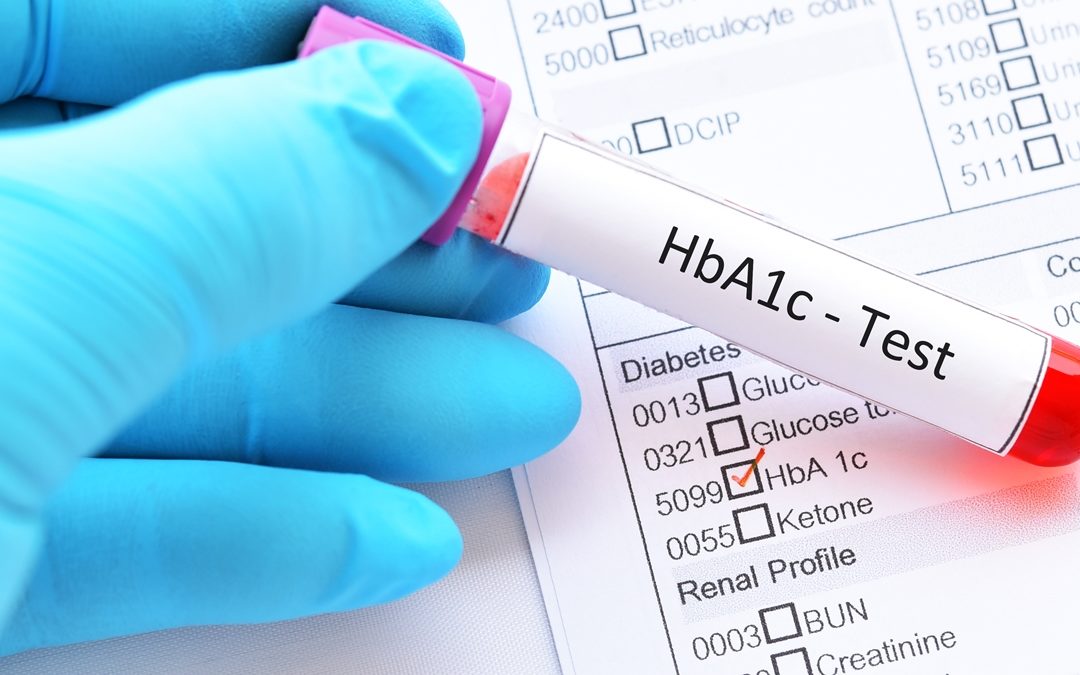
When it comes to managing diabetes, one crucial aspect is controlling blood sugar levels effectively. One of the commonly used indicators to measure diabetes control is HbA1c. HbA1c, also known as glycated hemoglobin, provides valuable information about average blood sugar levels over a period of time.
HbA1c test results are presented as a percentage and can be used to assess and monitor diabetes control. The test measures the amount of glucose that is attached to hemoglobin, a protein in red blood cells. The higher the blood sugar levels, the more glucose attaches to the hemoglobin, increasing the HbA1c value. By keeping the HbA1c levels within a target range, individuals with diabetes can reduce the risk of complications associated with high blood sugar.
Monitoring HbA1c levels is essential for healthcare professionals to make informed decisions about diabetes management. It helps them assess whether the current treatment plan is effective or needs adjustments. Regular HbA1c testing enables individuals with diabetes to evaluate the impact of their lifestyle choices, such as diet and exercise, on their blood sugar control.
While managing blood sugar levels is crucial, it is equally important to avoid hypoglycemia or low blood sugar. Low blood sugar can lead to various complications, including dizziness, confusion, and even loss of consciousness. To address this concern, a new tool has been developed to identify diabetes patients who are at risk for low blood sugar.
This innovative tool takes into account various factors such as age, diabetes duration, and previous episodes of hypoglycemia. By considering these variables, healthcare professionals can identify individuals who are more likely to experience low blood sugar and take preventative measures. This tool empowers healthcare providers to personalize treatment plans and educate patients about the potential risks associated with low blood sugar.
Managing diabetes effectively requires a multidimensional approach. Regular monitoring of HbA1c levels along with other diabetes-specific indicators can provide valuable insights into an individual’s diabetes control. By balancing blood sugar levels and avoiding extreme highs or lows, individuals with diabetes can significantly improve their overall health and reduce the risk of complications.
Remember, it is essential to work closely with your healthcare team to establish personalized targets for HbA1c levels and blood sugar control. Through regular monitoring, education, and lifestyle modifications, individuals with diabetes can lead fulfilling lives while effectively managing their condition.
If you are looking for New Tool Identifies Diabetes Patients at Risk for Low Blood Sugar you’ve visit to the right page. We have 5 Pics about New Tool Identifies Diabetes Patients at Risk for Low Blood Sugar like Clinical blood test indicators | Download Table, New Tool Identifies Diabetes Patients at Risk for Low Blood Sugar and also HbA1c (Hemoglobin A1C) Blood Test And Its Impact On Diabetes. Here you go:
New Tool Identifies Diabetes Patients At Risk For Low Blood Sugar
 waleshealthcare.comdiabetes blood sugar low test glucose tool finger level glucometer patient
HbA1c As An Indicator Of Diabetes Control. | Download Table
 www.researchgate.nethba1c indicator
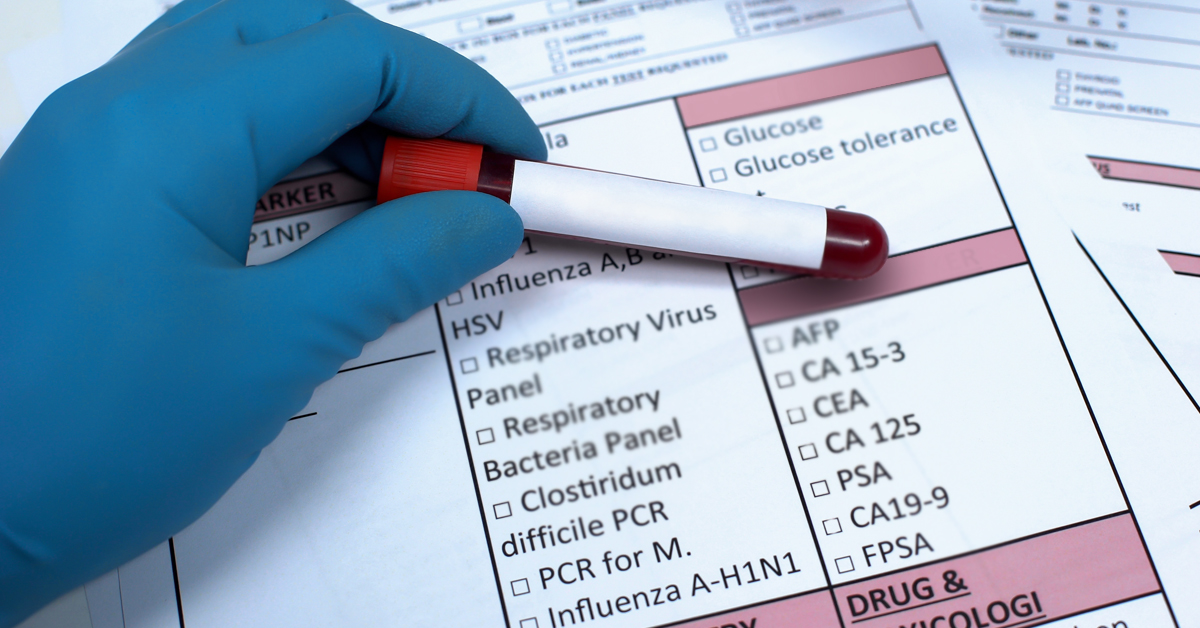
Everything To Know About Fasting Lab Tests | Bon Secours Blog
 blog.bonsecours.comfasting secours bsc bonsecours
HbA1c (Hemoglobin A1C) Blood Test And Its Impact On Diabetes
 www.drawbridgehealth.comhba1c test diabetes blood hemoglobin a1c drawbridge health impact its
Clinical Blood Test Indicators | Download Table
 www.researchgate.netindicators clinical
New tool identifies diabetes patients at risk for low blood sugar. Hba1c test diabetes blood hemoglobin a1c drawbridge health impact its. Hba1c (hemoglobin a1c) blood test and its impact on diabetes